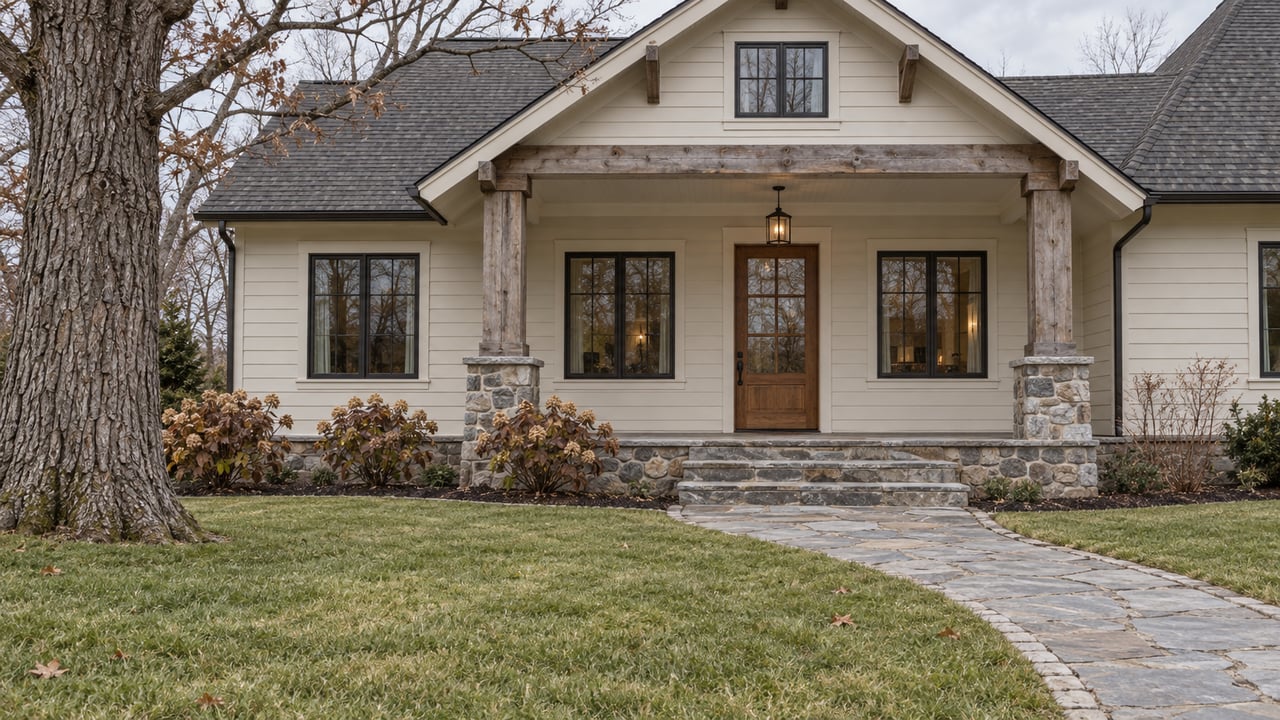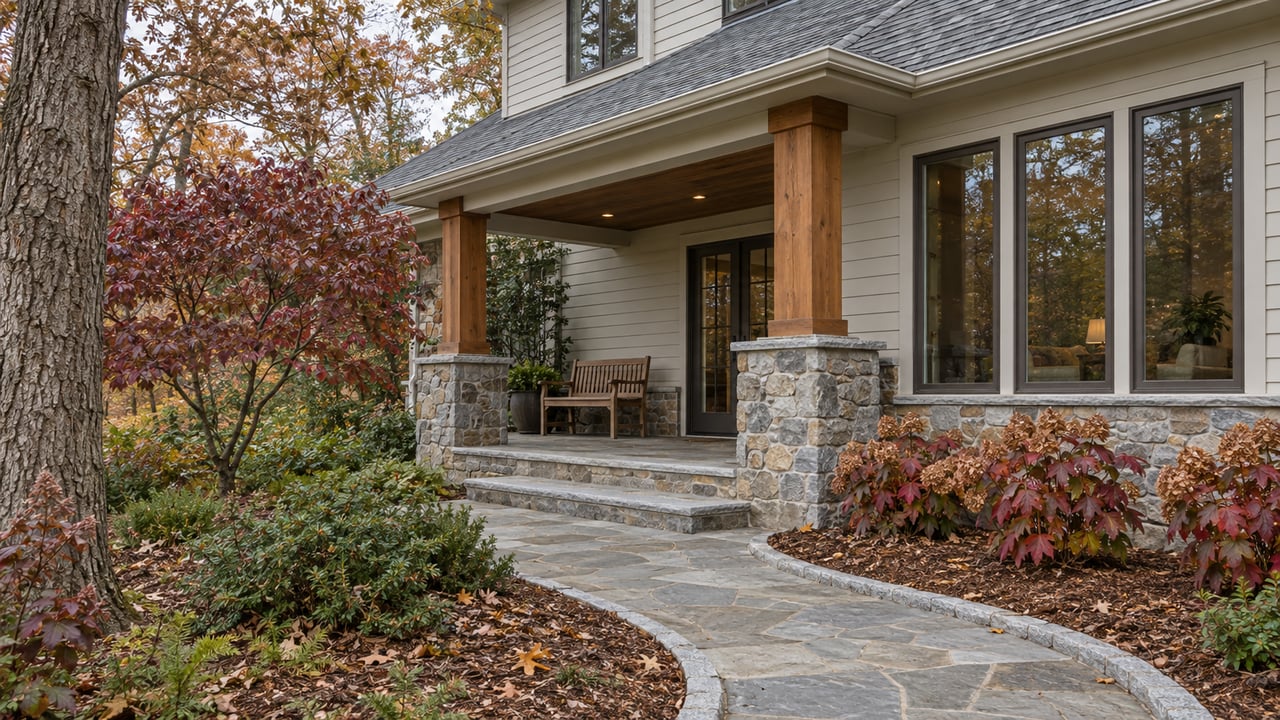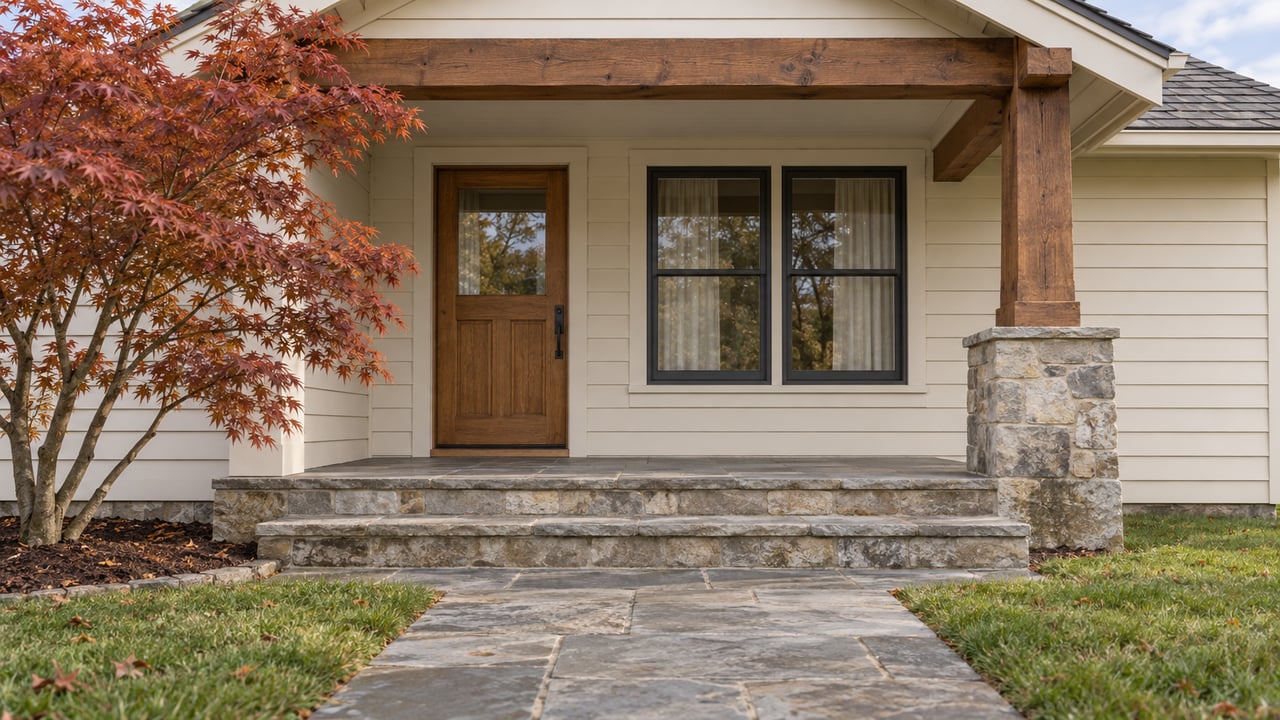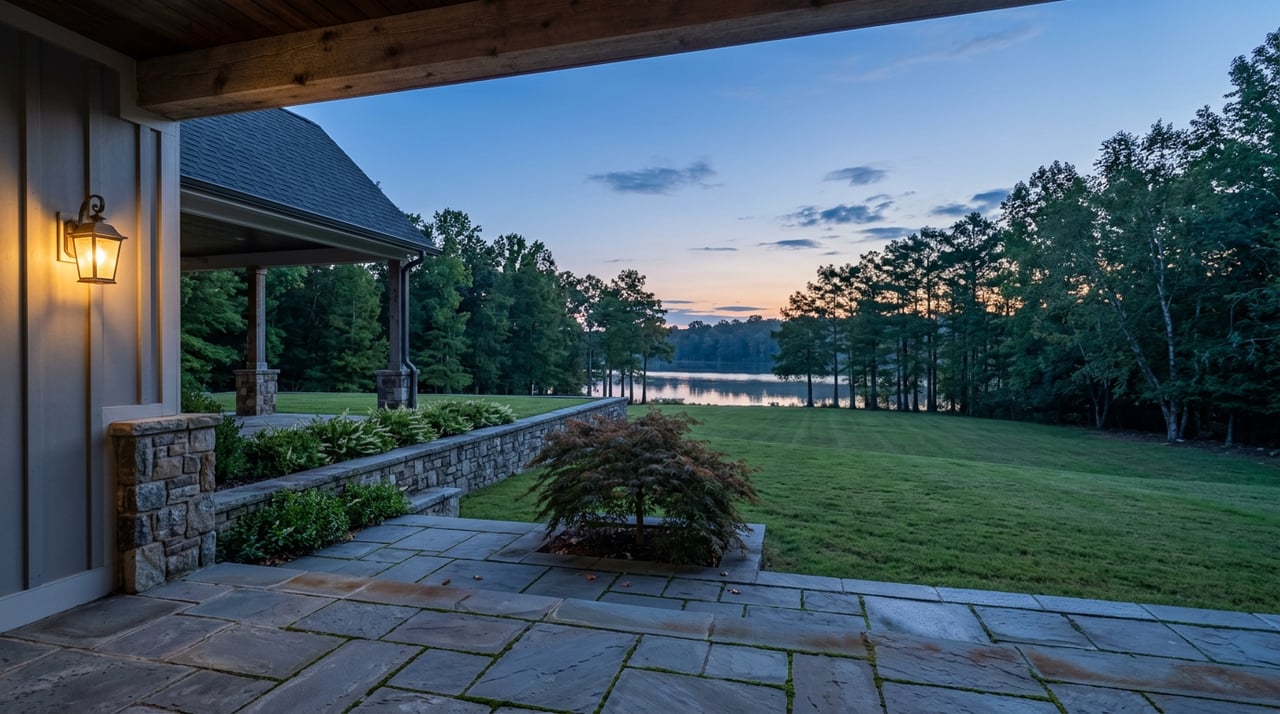
For years, the pitch on a vacant lot in Sherrills Ford went something like this: buy the acreage, secure your dock permit whenever it's convenient, build on your own timeline. The lake wasn't going anywhere, and neither was your right to eventually park a boat in front of your future home.
That sequence no longer holds. As of July 1, 2026, Duke Energy's Shoreline Management team does not review a private dock application unless a home already sits on the adjoining lot. Not evaluate it slowly. Not put it in a queue. Simply decline to open the file. If you're shopping vacant waterfront land anywhere on Lake Norman, and especially in Sherrills Ford, where the deepest remaining pockets of buildable shoreline still exist, this changes the math on what you're actually buying when a listing says "dock-ready."
What Changed, and Why It Lands Hardest Here
The rule itself is narrow. It applies to new private dock permits only, not shoreline stabilization work like riprap, and it covers every Duke Energy lake, not just Norman. But the practical weight of the change falls unevenly across the shoreline, and Sherrills Ford absorbs more of it than almost anywhere else on the lake.
That's because Sherrills Ford is where the vacant lots still are. The lake's eastern shore, closer to Cornelius and Davidson, largely built out its deep-water parcels years ago. Sherrills Ford, on the lake's western Catawba County side, kept producing wooded acreage and cleared build-ready sites well into this decade, which is exactly why you'll still find listings there advertising near-acre lots, seasonal water views, and shoreline running well past 150 feet. That inventory is the town's identity. It's also now the inventory most exposed to a rule that assumes a house comes before the dock.
Median single-family value in Sherrills Ford runs around $625,000, with estate waterfront in established communities like Windemere, Edgewater, and Pebble Bay transacting between $1.4 million and $3.4 million as of mid-2026. The vacant-lot route has long been the way a buyer got onto deep water without paying estate prices, buy the land, build over time, add the dock when the budget allowed. That path assumed the dock could be handled independently of the build. It can't anymore.
The Sequence Just Flipped
Here's the practical difference between shopping a Sherrills Ford lot last spring and shopping one this fall.
| Step | Before July 1, 2026 | After July 1, 2026 |
|---|---|---|
| Buy the vacant lot | Close on the land | Close on the land |
| Apply for a dock permit | Could apply and get a Duke Energy review before or during construction | Application isn't reviewed at all until a home exists on the parcel |
| Build the home | Timing flexible relative to the dock | Must happen first |
| Dock goes in the water | Could overlap with the final stages of construction | Only starts after Duke reviews and approves, once the house is done |
The gap in the middle row is the whole story. Under the old process, a buyer could get dock feasibility confirmed, or at least submitted, while still deciding on floor plans. Now that step waits until there's a certificate of occupancy to point to. If a standard dock review runs anywhere from four to twelve weeks once it's actually in front of Duke, and complex sites with dredging or wetland questions take longer, that's real time added onto the back end of a build that already runs a year or more. A buyer counting on summer boat access the year they move in needs to plan around that gap now, not discover it after the framing is up.
What Still Transfers, and What Doesn't
Not everything about dock permitting changed. If you're looking at an already-built home in Sherrills Ford with a documented, currently valid Duke Energy permit, that permit is tied to the land, not the seller, and it transfers at closing along with the property. Nothing about the July 2026 rule touches that.
The risk sits specifically with vacant land listings that lean on phrases like "permit already in place" or "previously approved for a dock." Those phrases mean different things depending on when the approval happened. An approval finalized before July 1, 2026 may still be valid under its original terms. A listing describing an application that was submitted but never completed, or one that assumed review could happen pre-construction, may now need to restart from scratch once the home exists, under whatever shoreline classification and guidelines apply at that later date.
The only way to know which situation you're in is to ask for the actual document, not the listing description. Before writing an offer on a Sherrills Ford lot, it's worth requesting:
- The Duke Energy permit number itself, along with the approval date, not just a sentence in the listing
- Confirmation of the parcel's shoreline classification, since that governs dock size, slip count, and whether a covered structure is even allowed
- Written clarification from Duke Energy's Lake Services team on whether any prior approval survives the new rule or needs to be resubmitted
- A realistic construction and permitting timeline that treats the dock as a step that happens after the home is finished, not alongside it
The Paperwork Doesn't Stop at Duke
Even once a home exists and a dock application is under review, Duke's sign-off is one approval among several. Catawba County still requires its own permits for septic systems, driveway culverts, and land disturbance on the lot itself, separate from anything Duke evaluates on the water. North Carolina's environmental rules for the Catawba River basin also restrict clearing and hardscaping within roughly 50 feet of the shoreline, which shapes where a patio, staircase, or retaining wall can go before it ever touches the dock conversation. And any project involving dredging or shoreline fill can pull in federal review as well.
None of this is unusual for lake construction generally. What's different now is the order. A buyer used to be able to work several of these approvals in parallel with the dock application. Post-July 2026, the dock step waits at the back of the line behind the home itself, which means the total runway from closing on raw land to actually tying up a boat just got longer, and the buyer bears that timeline, not the seller.
What This Means If You're Shopping Sherrills Ford Right Now
None of this makes vacant land in Sherrills Ford a bad idea. The shoreline still offers something increasingly rare on Lake Norman: acreage, privacy, and deep water at a price point below the fully built estates in Windemere or Pebble Bay. Communities like Northview Harbour, Lakepointe North, and newer construction at Cypress Farms and Waterstone are proof the appetite for that trade-off hasn't slowed, and the daily rhythm that draws people here, mornings on the dock, an afternoon boat ride to North Harbor Club or a bridge-side dinner near the water, is still exactly what it was.
What's different is the certainty a buyer can lock in before they build. A dock used to be something you could confirm early and build around. Now it's something you confirm last. That's not a reason to walk away from a lot you love. It's a reason to price the wait into your decision and verify every claim on a listing before it becomes a line item in your construction budget.
A Few Questions Worth Asking Before You Offer
Does this rule affect homes that already have a dock? No. It only applies to new applications tied to vacant land. A home with a documented, currently valid permit keeps it at closing.
Is this a Lake Norman-only change? No, it applies across every Duke Energy-managed lake. Sherrills Ford simply carries more exposure to it because so much of the lake's remaining vacant waterfront acreage sits along this shoreline.
What if the listing says the lot already has a permit? Ask for the document and the approval date. Anything finalized before July 1, 2026 may still hold under its original terms, but that needs confirmation directly from Duke Energy's Lake Services team rather than a line in the listing description.
Buying raw waterfront land in Sherrills Ford still makes sense for the right buyer. It just requires reading the fine print differently than it did a year ago, and knowing which questions to ask before the offer is written, not after the walls are framed. If you're weighing a lot on this shoreline and want someone who will run those questions down before you're under contract, Juliet Thomas would love to help you sort through it. Let's Connect.
This article is general information, not legal, tax or financial advice. Consult a qualified professional about your situation.